

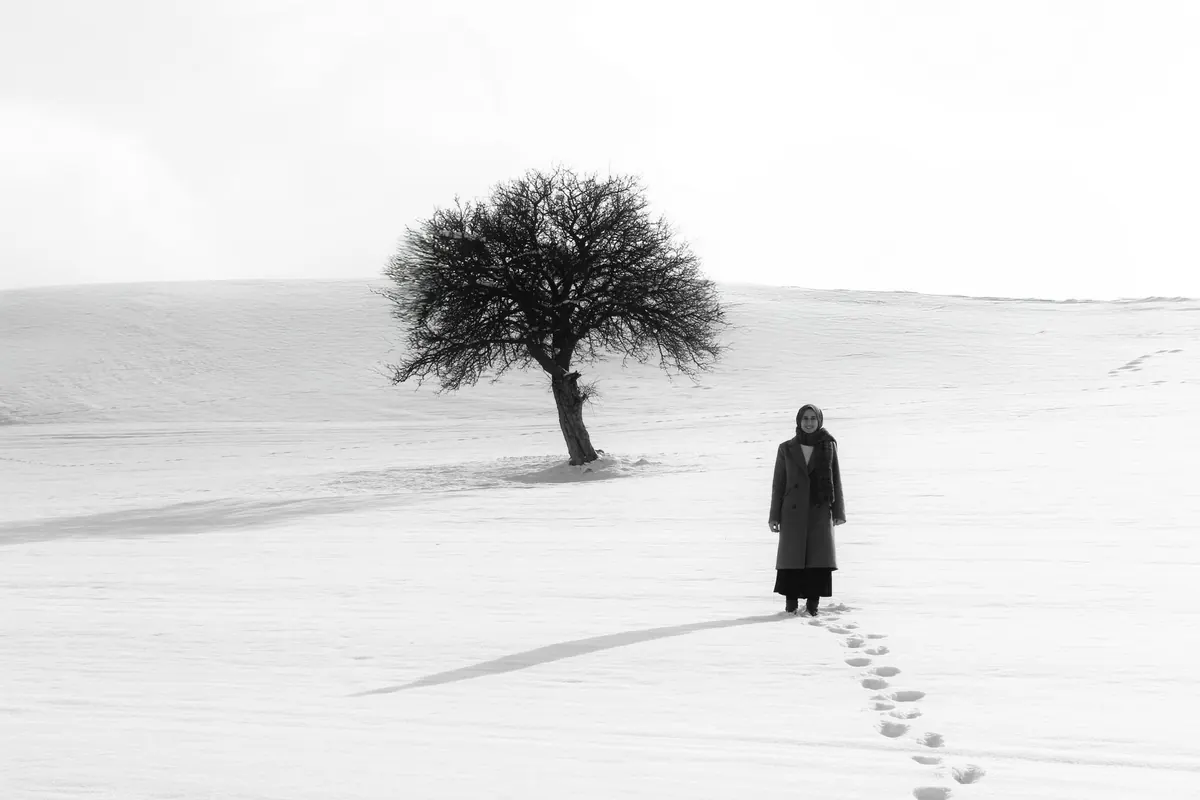
By the second week of January, the fairy lights are down, the bank statement has landed, and it is dark again by half four. If your mood has dipped along with the temperature, that is a fairly normal response to a grey, tight, poorly lit month. It is also something you can work with. Nothing below requires a personality transplant, a gym membership or a week in the sun. It requires light, routine, movement and a handful of other people.
Start With Light, Because Your Body Clock Is Listening
In the UK, January daylight is short and most of it falls while you are indoors. Your body clock uses light — particularly light early in the day — to decide when to wake you up, when to make you alert and when to wind you down. Miss that morning signal and the whole day feels slightly out of step.
So get outside within an hour or two of waking, even briefly. Ten minutes at the front door counts. If the weather is genuinely grim, stand by an open window or sit facing one while you eat breakfast. Keep your mornings bright and your evenings dim: overhead lights blazing at ten at night will not help you fall asleep.
Light boxes are widely used in the UK for winter low mood and many people find them useful, but if you are considering one — or if low mood is affecting your daily life — speak to your GP or pharmacist first rather than guessing.
A ten-minute morning routine
- Open the curtains before you put the kettle on, not after.
- Drink your first cup standing by a window, or step into the garden or onto the doorstep.
- Walk to the end of the road and back. Coat on, no negotiation.
- Eat breakfast facing the window rather than the television.
Lower the Bar on Routine
Motivation is seasonal. Routine is not. In January, the most reliable strategy is to stop waiting to feel like doing things and instead build a small structure that runs without your input.
The single most useful anchor is a consistent wake time, including at weekends. A long lie-in on Saturday feels kind and then wrecks Sunday night. Beyond that, pick two or three fixed points: a proper breakfast, a walk at lunchtime, a set time when you stop working. Three anchors held loosely beat a twelve-point plan abandoned by Tuesday.
Keep these three, ditch the rest
- A fixed wake time, give or take half an hour.
- Ten minutes outdoors before the day swallows you.
- A clear end to the working day — laptop shut, shoes off, a walk round the block if you work from home.
Move, Preferably Outside, Preferably Soon
Movement and daylight do more together than either does alone. A fifteen-minute walk at lunchtime lands in the brightest part of the day and breaks up the stretch of hours that tends to feel heaviest. You do not need to run, and you certainly do not need new kit. A waterproof coat, a hat and decent shoes will carry you through most of what January produces.
The walk you least want to take is usually the one that shifts your mood the most. Treat that as a rule rather than a feeling.
Eat, Drink and Sleep Like It Matters
January eating often swings between leftover tin celebrations and an over-corrected month of denial. Neither helps. Warm, solid, ordinary food — soup, porridge, stew, something with vegetables in it — does more for how you feel than any cleanse.
Two practical points. UK public health advice is that most people should consider a daily vitamin D supplement through autumn and winter; if you take other medication or have a health condition, check with your pharmacist or GP first. And alcohol, which feels warming in the moment, fragments sleep and tends to lower mood the following day. You do not have to give it up, but two alcohol-free nights a week is a change most people notice.
On sleep: keep the room cool and dark, cut caffeine after early afternoon, and leave your phone outside the bedroom if you can bear it. Scrolling in bed is the most common way to turn a slightly low evening into a genuinely bad night.
Keep Two or Three People Close
January is the month when invitations dry up, partly because everyone assumes everyone else is busy. The result is a lot of people quietly having a worse time than they need to. Being the one who texts first is a skill, not a sign of neediness.
Keep it small and specific. "Fancy a walk on Saturday morning?" works far better than "we should catch up sometime." A phone call on the walk home counts. So does a coffee with someone you have not seen since December. Contact does not need to be deep to be useful; it just needs to happen.
When It Is More Than the January Blues
Low mood that lifts with daylight, exercise and company is one thing. Low mood that sits on you for more than a couple of weeks, stops you sleeping or eating properly, or makes ordinary days feel unmanageable is worth taking to a GP. That is not drama and it is not weakness; it is what the appointment is for. If money worries are part of the picture, free and confidential debt advice is available from Citizens Advice and similar services, and it is usually better to ask early. For anything medical, always speak to a qualified professional rather than relying on a general article.
Your First Week, Written Down
Reading about this is easy; doing it in the dark is harder. So keep the list deliberately short and put it somewhere you will see it — on the fridge, or as a note on your phone.
- Every day: same wake time, ten minutes outside before nine.
- Monday: walk at lunch, whatever the weather does.
- Tuesday: text one person and suggest something specific.
- Wednesday: no alcohol, and a proper cooked meal.
- Thursday: lights down and phone out of the bedroom by ten.
- Friday: something you actually enjoy, not something you feel you should do.
- Weekend: a longer daylight walk, ideally with company.
January is a short month pretending to be a long one. Get the light in early, hold a few small routines, move your body outdoors and keep in touch with two or three people. None of it is dramatic, and that is the point — the things that carry you through the darkest month are the ones you can repeat on a wet Tuesday when you cannot be bothered. Do the small things badly rather than the big things not at all, and by February you will notice the difference.
Photo: syd.trgt / Pexels